


SCHMATES
See1998- 2003
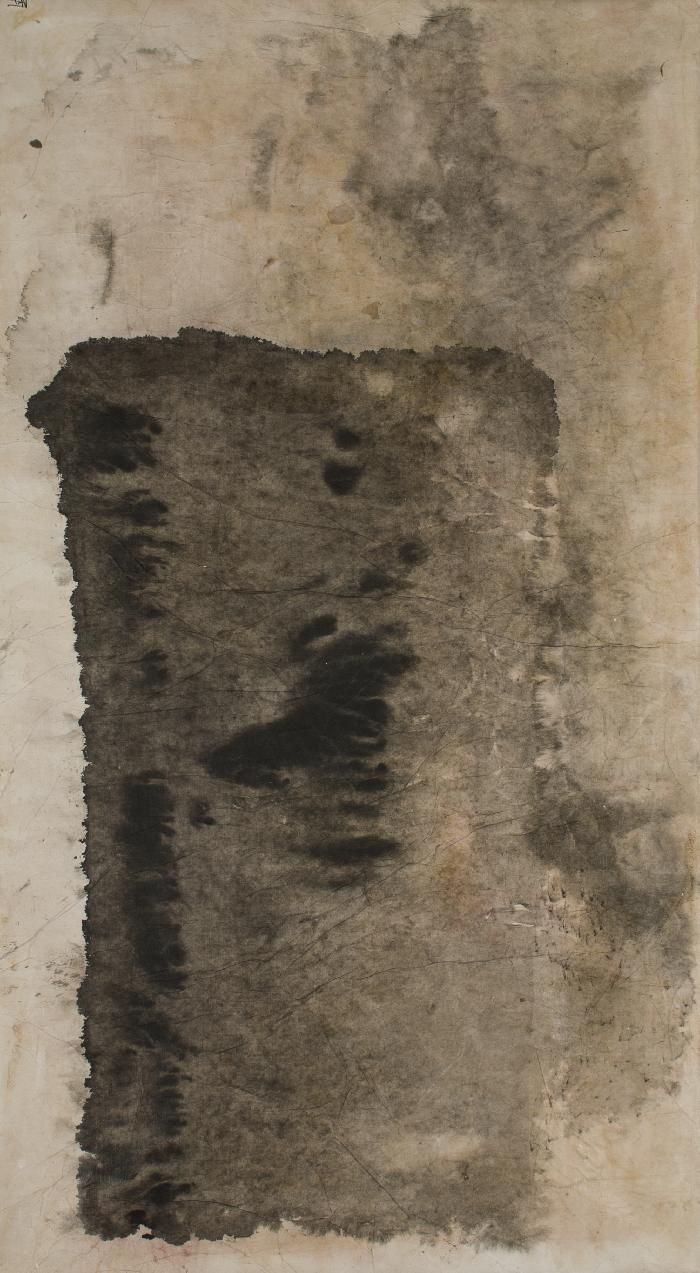
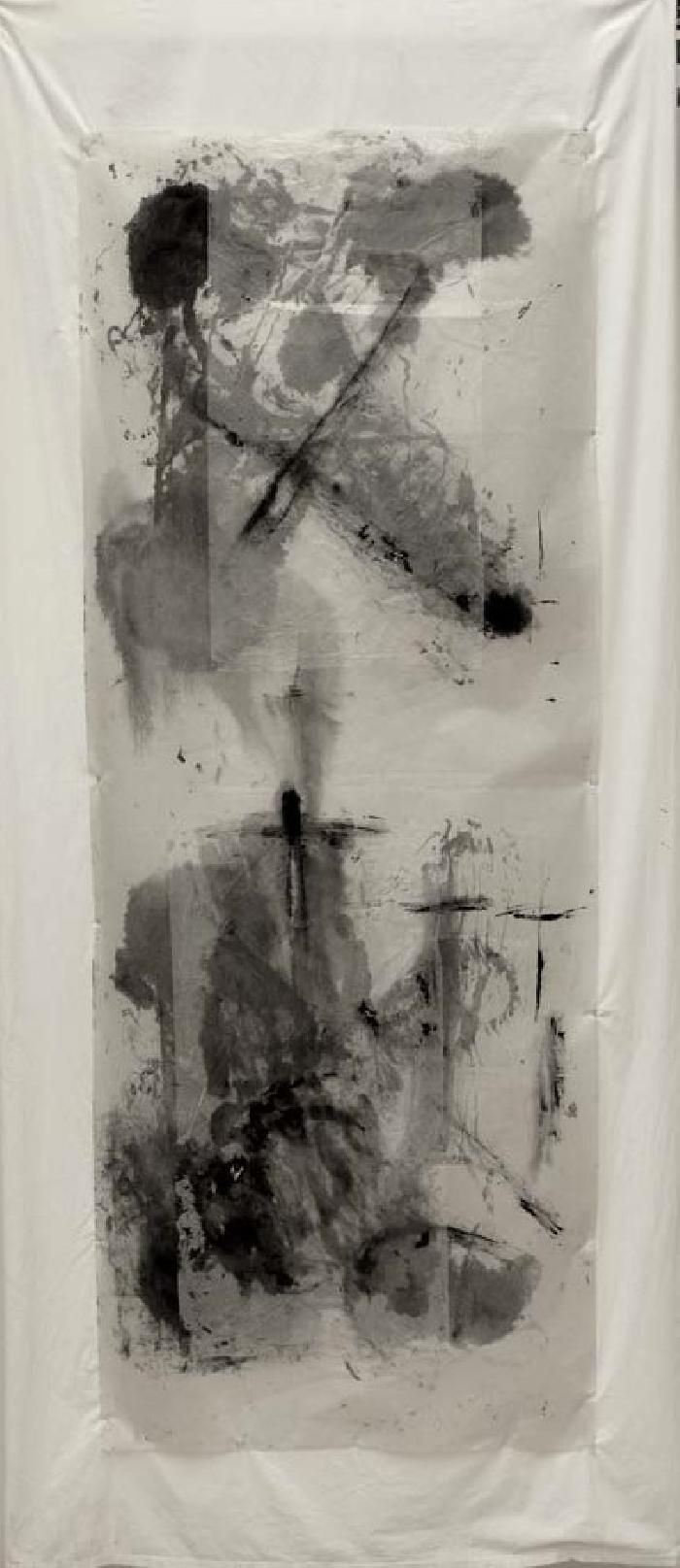
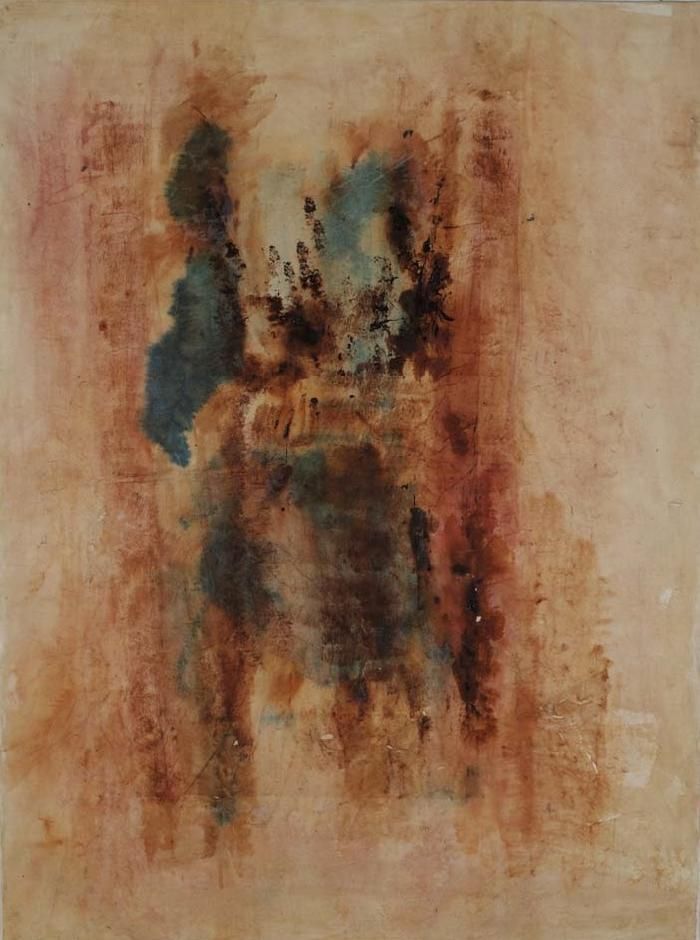
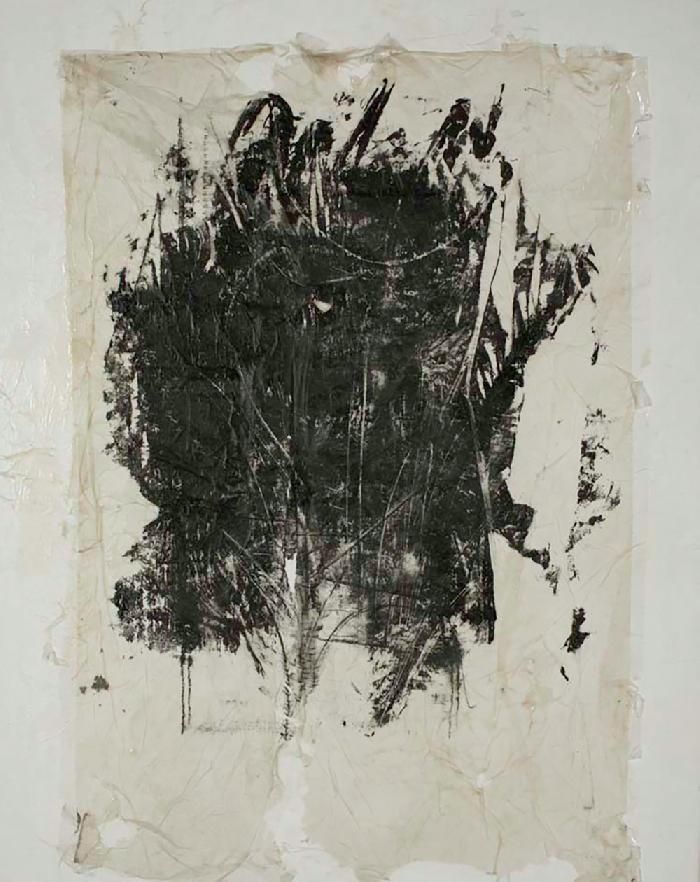
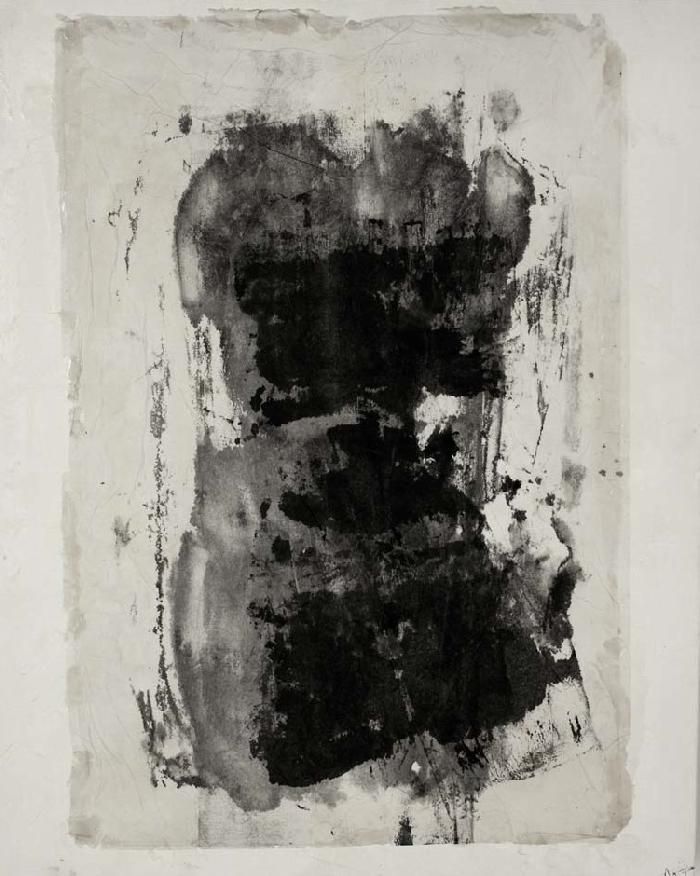
This series is based on a reflection on the trace, the passage of a body seen from behind, in conjunction with a reflection on used fabric, tearing and waste.
THRESHOLD
SeeThis series follows in the footsteps of Schmates. The bodies hesitate on the threshold, about to enter, retreat, or disappear.
Work on canvas with India ink, engraving ink and pigments.
Nadine Kohn-Fiszel
Artiste plasticienne
TRACES
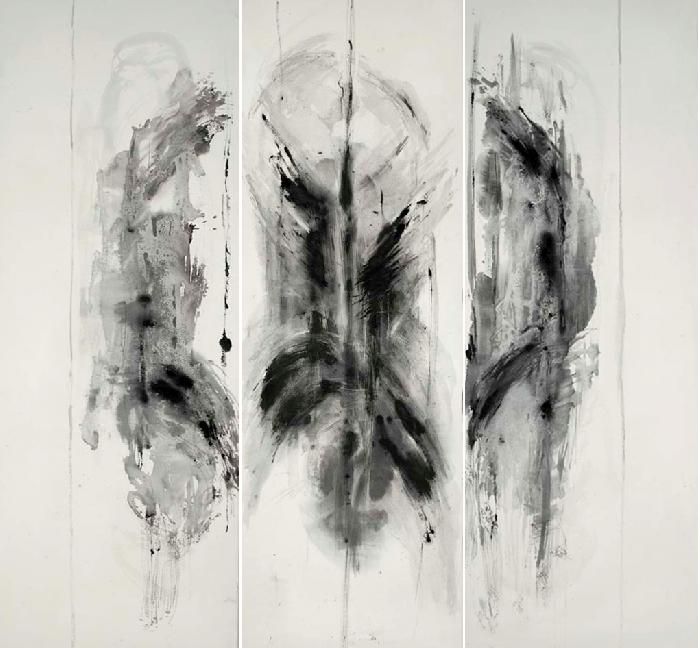
Collection: An Approach to the Body — 2012 Series
A series that follows in the footsteps of Schmates and Seuil.
The shapes become even more blurred,
leaving only a faint imprint of the bodies on the canvas.
Work on canvas with India ink,
engraving ink and pigments.
Gallery
Click on an image to view the slideshow








Laundries
Catherine IFERGAN
Sheets, sheets stretched over tarpaulins, or hanging sheets. You have to look up, estimate the dimensions, examine the hanging methods, move between the works to recognize the materials—sheets, pillowcases—rather than the fabrics:
READ MORE
collages, superimpositions of lace, wire mesh, paper, on linen or cotton sheets, openwork, overlocked, torn but always used.
Feminine universes of yesteryear, a subversion of an annual ceremony of cleanliness and dirt, a display of the pre-washing rather than the post-washing, an exposure of the intimate, the familial, the known, or a revelation of stains, imprints, bodies, of the living?
Ravaudages
Catherine IFERGAN
Light caresses the layers, playing with the folds of these unadorned sheets. The rags come back to life. The bodies merge, between figurative and abstract.
Rags tear their way through. Lace is on display.
READ MORE
The lace is on display.
The wire mesh provides support, the tar paper protects.
Each discovery is moving.
The layering creates order, organizing a framework for each work. Emotion does not overflow.
Each work retains its gravity.
Through repeated repairs, it becomes unique, while echoing the entire series.
We move away,
The materials are no longer visible.
The bodies are no longer recognizable.
We can discern shades,
the diversity of the works,
the unity of the compositions.
The eye penetrates through all these doors.
We remain on the threshold…
Critical text
Olivier B.
Hence these pains...
Can one paint after the Holocaust? Paint the very trace of absence. Paint the absence of any trace. This is precisely the dilemma in which NKF seems to be struggling.
READ MORE
And this debate lies at the heart of her entire body of work. Life at her home appears gentle, but gentle behind barbed wire.
NKF paints on the razor's edge with the blood of our wounds. She weaves her web. Her star.
But she is not talking about Jewishness, simply about our survival, about all survival.
It is not surprising that after Rembrandt and Soutine, NKF in turn tackled the flayed ox.
But, to return to the Rembrandt painting that can be admired at the Louvre, did you notice, behind the ox, this woman, present and yet erased?
All of NKF's paintings oscillate between these two contradictions: death screaming its truth, and life, in the background, offering as much consolation as it can. But who can truly console the murdered ox? NKF? Who knows...